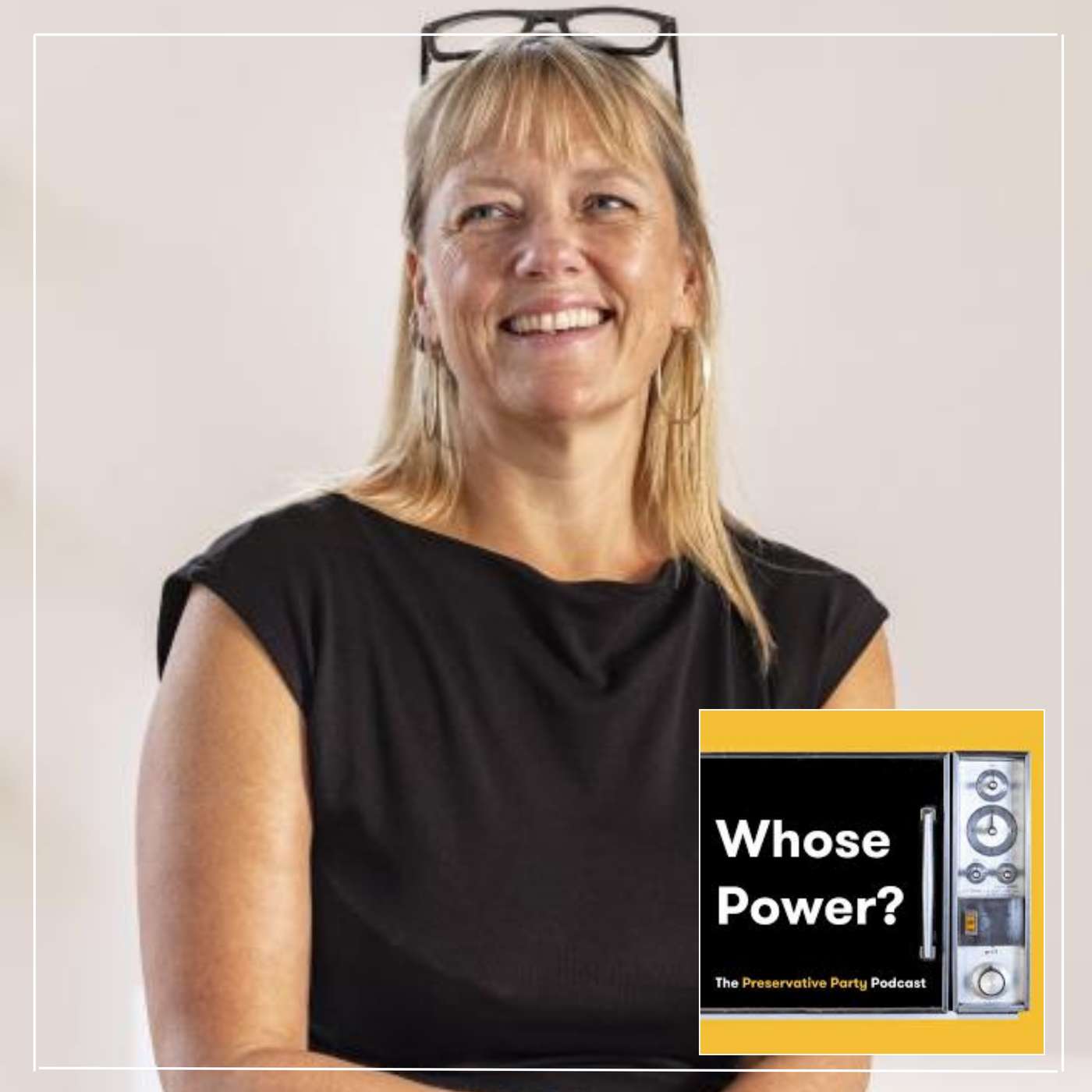
How can podcasting become more than a way to share research—and actually become part of the research itself? In this episode of Continuing Studies, Neil and Jen talk with Abigail Harrison Moore from the University of Leeds about Whose Power, a podcast project created with the Preservative Party, a group of young curators at Leeds City Museum. Abigail shares how the project uses podcasting as a participatory research space—one built around trust, consent, listening, and shared authorship. The conversation explores how podcasting can help break down gatekeeping in museums and academia, why audio can capture things that written research often misses, and what it takes to create a safe space where young people can lead the conversation. Abigail also explains why the project is staying audio-only, how voice, accents, pauses, and emotion became part of the research, and why participatory work requires much more preparation than simply turning on the mics. It’s a thoughtful look at how podcasting can open doors, shift power, and help researchers learn with communities—not just speak about them. Professor Abigail Harrison Moore Learn more about The Preservative Party Research Podcasts Connect with Us: Share Feedback & Ask Questions: hello@continuingstudiespodcast.com Learn More: Continuing Studies Podcast Follow: Continuing Studies LinkedIn Page Join LinkedIn Group: University Podcasters Network Connect w/ Jen: LinkedIn or jpodcreations@gmail.com Connect w/ Neil: LinkedIn or neil@podiumpodcastco.com Twitter: @namcphedran / @podiumpodcastco Youtube HigherEdPods Chapters: (00:00) - Introduction (03:07) - Abigail Harrison Moore and Whose Power (04:10) - The origins of Whose Power (07:20) - Gatekeeping, museums, and youth voice (09:22) - Why podcasting became part of the project (11:06) - Podcasting as participatory research (12:04) - The podcast studio as a participatory space (13:43) - Trust, safety, and preparing the space (15:17) - Accents, pauses, and what audio reveals (16:44) - The emotional work of participatory research (18:11) - Why this project stays audio-only (20:14) - Non-negotiables before recording (22:55) - History, power, and who gets represented (25:24) - Podcasting as a research method (27:37) - What’s next: Research Podcasts and EPOD (28:29) - Conclusion Join us at Higher Ed Pod Con in Cleveland, OH, July 16 - 17 2026 Sign up by May 29 for Early Bird Pricing
31min•Jun 1, 2026