Menu

  • Home
  • About
  • Search
  • Featured Shows
  • Saved Episodes
Spokely

© 2026 Spokely

The Food Chain

The Food Chain

BBC World Service

ArtsSociety & Culture

The Food Chain examines the business, science and cultural significance of food, and what it takes to put food on your plate.

Episodes

How to have a stress-free family meal

How to have a stress-free family meal

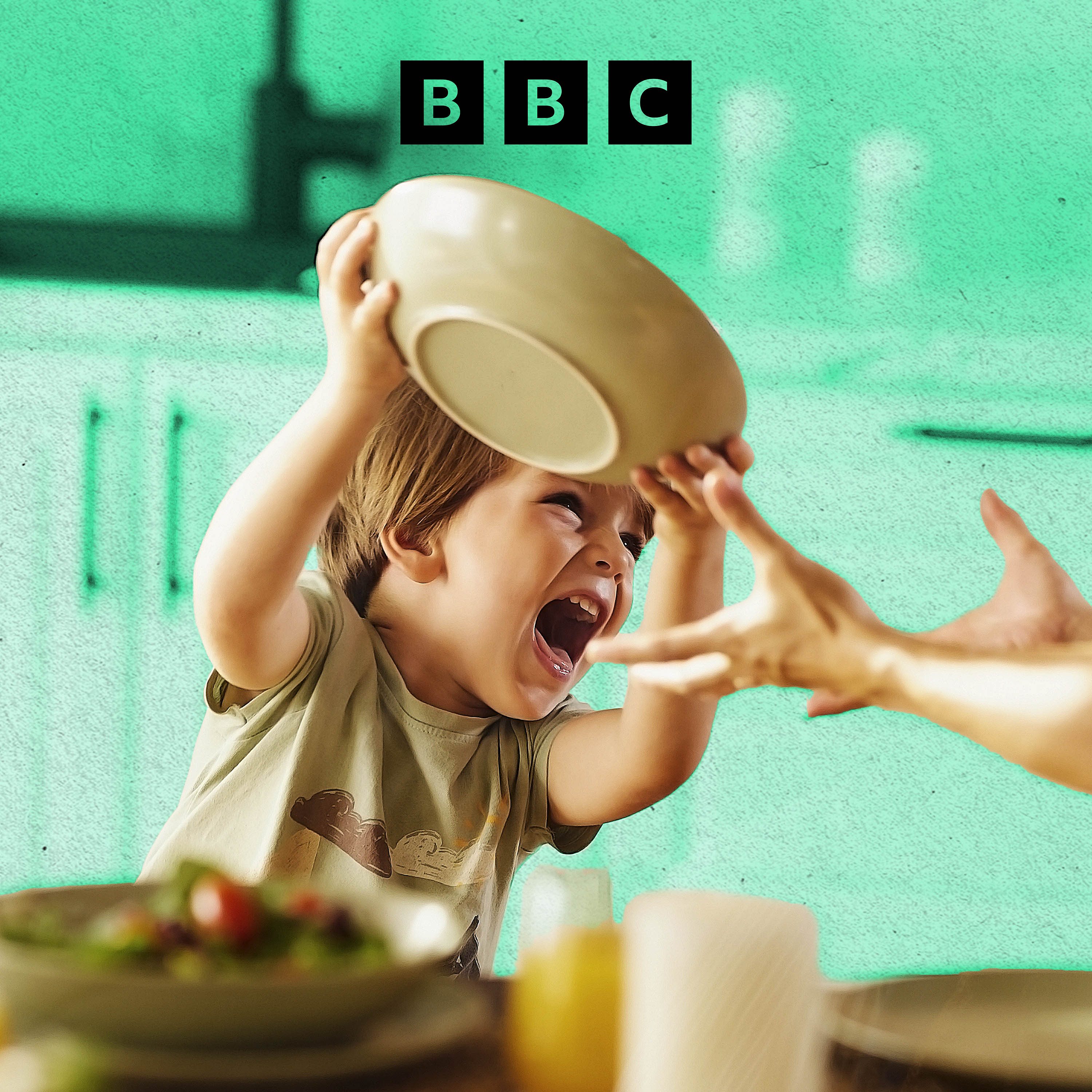
Are your family meals calm and connected? Or have they become dominated by battles with fussy kids or awkward teens? Mum-of-one Ruth Alexander gets advice from experts who share the secrets to taking the stress out of family dinner and how to cope with fussy eaters. She finds out how we can make the table a place everyone wants to be at, tots, teens and adults alike. Produced by Lexy O'Connor and Rumella Dasgupta. Image: A small angry boy with blonde hair is holding a bowl of food and threatening to tip it on the floor as his parents' hands reach out to stop him. Credit:Getty/ skynesher
26min•Mar 26, 2026
What to eat to run a marathon

What to eat to run a marathon

What should runners should eat to train for, and complete, a marathon? With major races like the London and Boston marathons approaching, more people than ever are taking on the 26.2-mile challenge. But what should you actually eat to fuel that distance? Ruth Alexander is joined by one of the most successful marathon runners in history, Paula Radcliffe, who held the women’s world record for 16 years. She shares what it takes to fuel months of marathon training, and what it feels like when things go wrong during a race. Also on the programme is former world champion runner Steve Cram, now a coach and commentator, who explains the common nutrition mistakes he sees among recreational runners. And Performance Director of the dsm-firmenich Running Team, Valentijn Trouw tells us what it’s like to oversee the performance programmes of elite athletes including marathon legend Eliud Kipchoge. Ruth asks them what runners should fuel their training, what to eat in the crucial days before a race, and how to avoid “hitting the wall” on marathon day. If you would like to get in touch with the show, please email: thefoodchain@bbc.co.uk Produced by Izzy Greenfield. Sound Engineer: Annie Gardiner Picture: Credit - Getty. Paula Radcliffe competes in a marathon
26min•Mar 19, 2026
Giving it all up for food

Giving it all up for food

Ruth Alexander meets three people who gave up well-paid, high-flying careers to start all over again in the world of food. Nisha Katona left a career as a child protection barrister behind to start Mowgli, a chain of Indian restaurants in the UK, physically building her first restaurants herself. Judy Joo worked in finance on Wall Street but decided to give it up to go to culinary school. After starting at the bottom in various restaurant kitchens she founded the Korean restaurant chain Seoul Bird, which has outlets in the UK and the US. Duc Ngo was an engineer who felt he lacked purpose and joy. So he left his job to start a sandwich shop in Helsinki. But it wasn’t easy. He took to Tiktok to document its rise, fall and rebirth as a bistro, The Alley. So did they all make the right decision and would they change anything? Ruth finds out... If you would like to get in touch with the show, please email: thefoodchain@bbc.co.uk Produced by Lexy O'Connor. Sound Engineer: Annie Gardiner Image: A smiling woman is behind a cafe door. She is turning the “closed” sign to “open”. Credit MoMo Productions/Getty images.
26min•Mar 12, 2026
The story of the sandwich

The story of the sandwich

Shattering the myth of its aristocratic origins and exploring some of the boldest creations; Ruth Alexander finds out about the history, culture and family ties wrapped up in the sandwich. Josh Veasey, co-owner of Rack in North West England talks about his menu’s hits and misses and what it’s like to make a living out of making sandwiches. The fourth Earl of Sandwich John Montagu is popularly credited with coming up with the idea of putting a tasty filling between two slices of bread; food historian Dr Annie Gray reveals the facts of the matter. Masterchef Australia finalist and food writer Samira el Khafir talks about some of her favourite Middle Eastern wraps, enduring staples in the region and far beyond. Ruth discusses the changing fashions for fillings with Barry Enderwick, the California-based creator of the social media channel, Sandwiches of History. And Ozoz Sokoh, author of Chop Chop: Cooking the Food of Nigeria, reflects on how the sandwiches of her childhood were shaped by a long history of enslavement and British colonial rule. Producers: Julia Paul & Lexy O’Connor Sound engineer: Hal Haines Editor: Sara Wadeson (Phoro: A smiling dark haired woman holds up a sandwich with a bite taken out of it. Credit: Farkot Architect/Getty Images) If you would like to get in touch with the show, please email thefoodchain@bbc.co.uk
26min•Mar 5, 2026
Small kitchens

Small kitchens

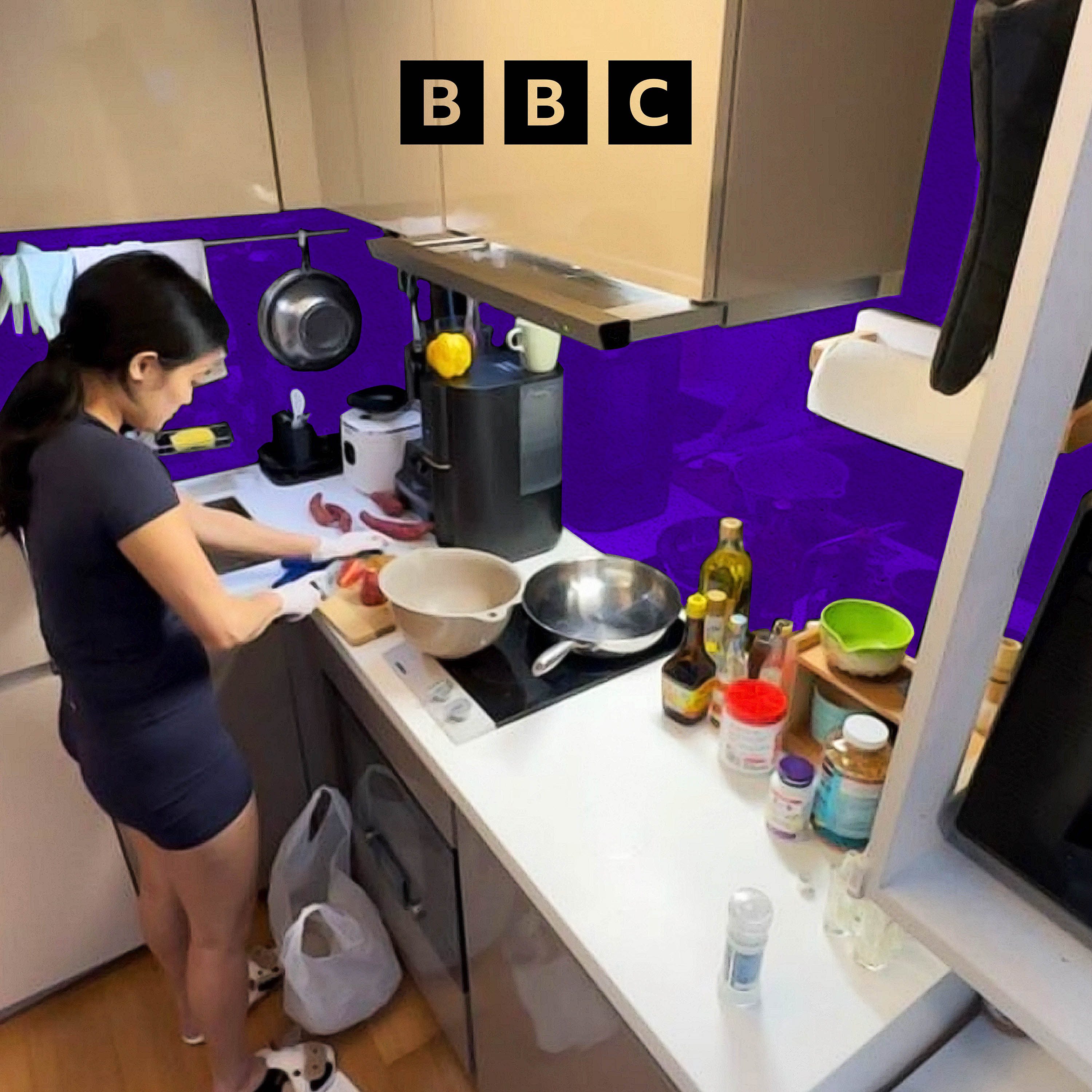
From Michelin starred kitchens to Hong Kong’s high rise tower blocks, via informal settlements in the Kenyan capital Nairobi. Ruth Alexander hears from people making the best out of the cramped and tiny spaces they’re cooking in. Gina Lai shows her around the kitchen in her cramped Hong Kong high rise flat and Ruth visits chef Ryan Blackburn who has retained a Michelin star whilst cooking out of the tinest of professional kitchens in Northern England. Plus Leah and her daughter Janice explain how they cook family meals in an informal settlement in the Kenyan capital Nairobi and AJ Forget describes what it's like to give up a big kitchen for a new life on the road, living and cooking in a converted bus. If you would like to get in touch with the show, please email: thefoodchain@bbc.co.uk Produced by Izzy Greenfield, Rumella Dasgupta and Lexy O'Connor Image Description: Gina Lai is cooking in her tiny Hong Kong flat. (Credit Gina Lai/BBC)
26min•Feb 26, 2026
The risk takers

The risk takers

Every food company starts with a gamble - and not all of them pay off. In this episode Ruth Alexander speaks to business owners about the risks they’ve taken to get where they are today, from financial leaps to personal sacrifices, and the painful decisions that have shaped their journeys. Ruth hears from Kim Kiarie, chef-owner of Five Senses Nairobi in Kenya, about building a high-end restaurant in a challenging market. Adonis Norouznia, who runs Nomas Gastrobar in Macclesfield in North-West England, on the risks of deciding to serve meat at his vegan restaurant, and Keith Bearden, CEO and co-owner of Alta Eco Foods in Houston, Texas, about scaling a food business in a competitive industry. They describe the compromises that cost them dearly, the moments they wondered whether it was all worth it, and what kept them going. Produced by Izzy Greenfield Image description: A foot comes down amidst a cartoon landscape of bright yellow banana skins. Credit Getty.
26min•Feb 19, 2026
How to write a recipe

How to write a recipe

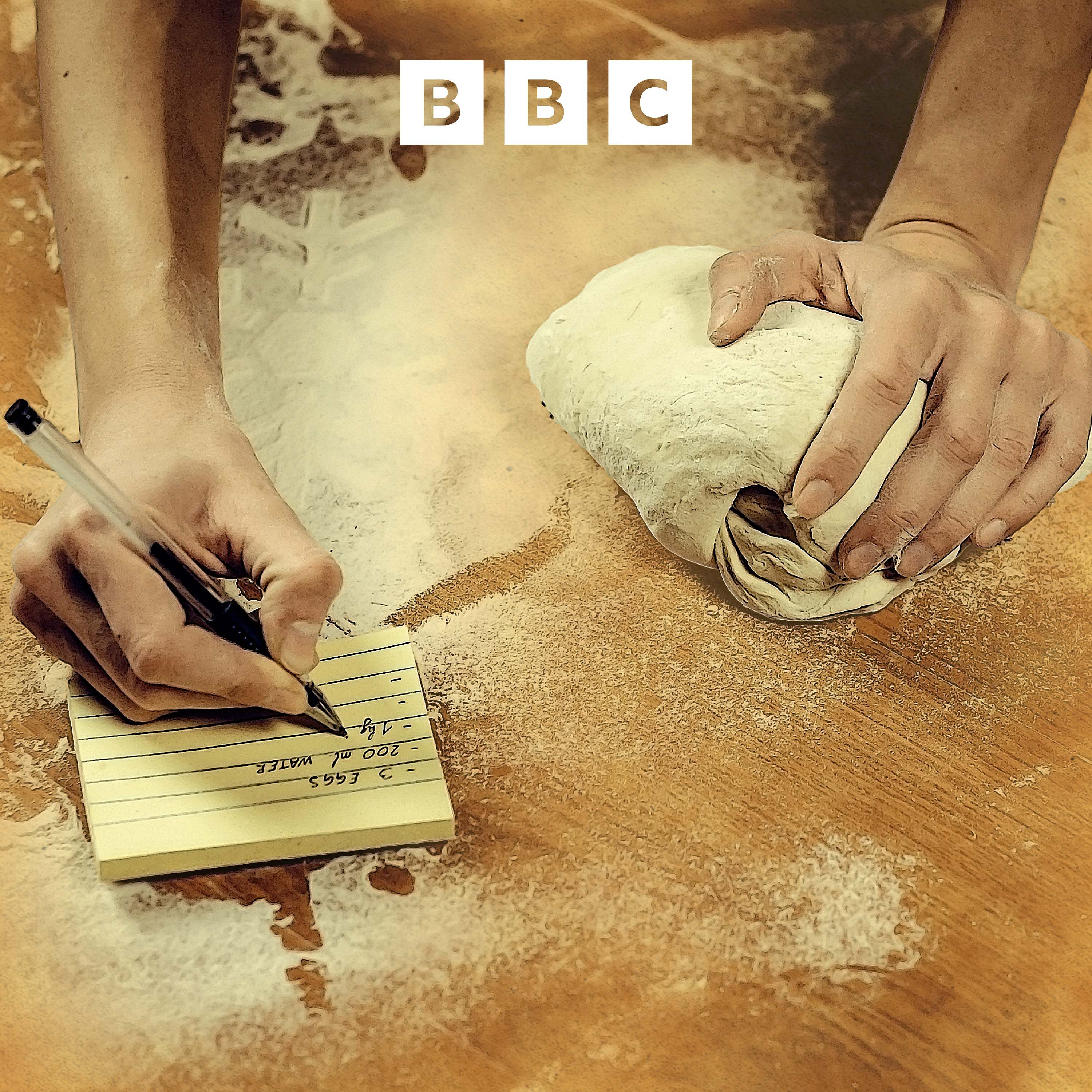
We all have recipes we turn to again and again, perhaps from the stained pages of our favourite cookbooks, or handed down through families. But have you ever wondered about the work that’s gone into writing that set of instructions? In this edition of The Food Chain, Ruth Alexander looks at the art and science of recipe writing. How does a cook turn what is often an instinctive and creative process into a list of instructions anyone can follow? How much detail is too much, and what are the essential elements no recipe is complete without? Ruth talks to a well-known cook who describes her love-hate relationship with recipe writing and a cookbook editor reveals how she’s built recipes from chefs’ doodles or even notes scrawled on a napkin. Find out what it’s like to work in the world of recipe testing and how the art of writing recipes has changed over hundreds of years. Producer: Lexy O’Connor Sound engineer: Hal Haines If you would like to get in touch with the show, please email: thefoodchain@bbc.co.uk
26min•Feb 12, 2026
Can you learn to love the foods you hate?

Can you learn to love the foods you hate?

Most of us have foods we refuse to eat - think coriander, or maybe olives. But where do those strong dislikes come from, and is it possible to change them? In this episode of The Food Chain, Ruth Alexander sets out to find out whether you really can learn to love the foods you hate. From first encounters that go wrong to memories that linger, she explores why food preferences can feel so fixed, and whether anything might help shift them. Ruth speaks to neuroscientist Dr Dana Small, professor and Canada Excellence Research Chair at McGill University, about what’s happening in the brain and body when we eat, and how unconscious reward signals shape what we come to like or avoid. She also hears from psychologist Dr Rachel Herz, an expert on the science of smell and author of Why We Eat What We Eat, about the powerful role odour, memory and emotion play in food dislike, often before we’re even aware of it. And registered dietitian Clare Thornton-Wood shares practical, low-pressure techniques used with both children and adults to build tolerance - and sometimes even enjoyment - for foods they can’t stand. Producer: Izzy Greenfield Sound engineer: Annie Gardiner Picture: A woman holding a fork with a piece of broccoli in front of her, looking unsure (credit: Getty)
26min•Feb 5, 2026
Fermented foods: A beginner's guide

Fermented foods: A beginner's guide

Fermented foods are fashionable – kimchi, kefir, kombucha – they're all having a moment, many thousands of years on from where they were first produced. But how much do you know about how they're made? Do you know your SCOBY from your kefir grain? In this episode, fermenting novice Ruth Alexander goes on a quest to find out more about this ancient way of preserving food; how to do it yourself, why you might want to, and what it's doing for our guts. Follow along as she experiments with making her own kefir, and talks to fermentation guru Sandor Katz about how to get started and whether there's anything that can't be fermented. Scientist Professor Gabriel Vinderola explains what's known about the microbes behind it all and how they affect our health while Kheedim Oh and his mum Myung Oh talk about how they've brought the family recipe for kimchi to a US audience via their business, Mama O's Kimchi. (Kimchi on pizza anyone?) And with the help of Adam Goldwater from UK based Loving Foods Fermented, Ruth discovers how kombucha is made, and the alien like SCOBY powering the process. Produced by Lexy O'Connor. The sound engineer was Andrew Mills. If you would like to get in touch with the show, please email: thefoodchain@bbc.co.uk. Image: A woman in an apron is holding a jar of brightly coloured fermenting vegetables, with orange carrots and purple cabbage tightly packed in. Credit Getty/Migrogen
30min•Jan 29, 2026
Dinner unboxed

Dinner unboxed

Meal kits have become a familiar part of food shopping in many countries, offering pre-portioned ingredients and recipes delivered to the door. But how widespread are they, and what do they reveal about how people are eating today? Ruth Alexander hears from Philip Doran, CEO of HelloFresh UK and Ireland, and Sarah Hewitt, CEO of South African meal kit company UCOOK, about how these services operate in very different markets. She also speaks to Dr Rebecca Bennett, a food systems researcher, about what meal kits say about changing cooking habits and online food platforms, and to market analyst Nandini Roy on how big the global meal kit industry is and where future growth may come from. Producer: Izzy Greenfield Sound engineer: Hal Haines If you would like to get in touch with the show, please email: thefoodchain@bbc.co.uk Image: A woman unpacks a box full of food (credit: Getty Images)
26min•Jan 22, 2026
Should we all eat the Mediterranean way?

Should we all eat the Mediterranean way?

The Mediterranean diet is rich in vegetables, pulses and olive oil and traditionally includes small amounts of fish and very little red meat. Thousands of studies back its health benefits. In fact, it's considered to be one of the most widely researched diets in the world. But why has this way of eating come to prominence over others? Marta Guasch-Ferre from the University of Copenhagen, Denmark explains what the Mediterranean diet is and how her Spanish roots have informed her work. Professor Sarah Tracy from the University of Oklahoma tells the story of the diet's roots, popularised by American scientist Ancel Keys in the 1950's. And Ruth asks, if this way of eating isn't familiar in your culture, can you still make use of the Mediterranean diet's principles to improve your health? Singapore based cardiologist Professor Huang Zijuan has been looking at the science behind Asian inspired food swaps that could offer the same health benefits. Plus public health expert Professor Pekka Puska explains how he used the work of Ancel Keys in the 1970's to help transform the life expectancy of Finnish men. He co-led the now world famous North Karelia project, after Keys' research revealed how the region in eastern Finland had the highest rates of blood cholesterol in the world. Produced by Lexy O’Connor The sound engineer was Andrew Mills. If you would like to get in touch with the show, please email: thefoodchain@bbc.co.uk Image: A family is eating together. The wooden table is covered in brightly coloured plates of salads, pastas and olives. Hands reach over to take some of the food. (Credit: Getty/Compassionate Eye Foundation/Natasha Alipour Faridani)
26min•Jan 15, 2026
Tweaks for 2026: How to eat better

Tweaks for 2026: How to eat better

Ruth Alexander gathers the most useful, actionable nutrition advice from our episodes of 2025 to help set you up for 2026. Things like how to nourish your brain, keep an eye on portion sizes, and why it’s important to focus on fibre. Experts from around the world tell us about the small tweaks that can make a real difference to how we eat, think, and feel. Producer: Izzy Greenfield Sound mixing: Hal Haines (Photo: a person looks at a variety of foods, Credit: Getty Images)
26min•Jan 8, 2026
Family ties

Family ties

Food is at the centre of family life – on ordinary days, in the everyday rush, during the dramas, and the quieter moments too. In this episode, Ruth Alexander looks back at some of The Food Chain's most moving and intimate moments of 2025, all revealing the power food has to bind people together. From the first meal taken by a foster child in an unfamiliar home to the couple cooking together for the first time in their lives after a dementia diagnosis, these stories show how food has the capacity to strengthen family bonds and how its absence can shape a life just as deeply. If you would like to get in touch with the show, please email: thefoodchain@bbc.co.uk Producer: Rumella Dasgupta.
26min•Dec 25, 2025
What is the ultimate hangover cure?

What is the ultimate hangover cure?

With the festive season approaching in parts of the world, Ruth Alexander explores what’s actually happening in the body during a hangover, why some people suffer more than others, and whether common remedies make any real difference. How the body processes alcohol and why that can make you feel so bad is explained by Andrew Scholey, Professor of Human Psychopharmacology at Northumbria University in the UK and member of the Alcohol Hangover Research Group. Marisa Moll, a registered nutritionist from Paraguay, shares her recommendations on what to consume before you drink alcohol to try to reduce the risk of a hangover. And Jonathon Shears, Professor of English Literature at Keele University in the UK and author of The Hangover, a Literary and Cultural History, reflects on the cultural history of the hangover. If you would like to get in touch with the show, please email: thefoodchain@bbc.co.uk. Producer: Izzy Greenfield Sound engineer: Andrew Mills Image: A woman looks at empty bottles of alcohol (credit: Getty)
26min•Dec 18, 2025
Food heroes and villains

Food heroes and villains

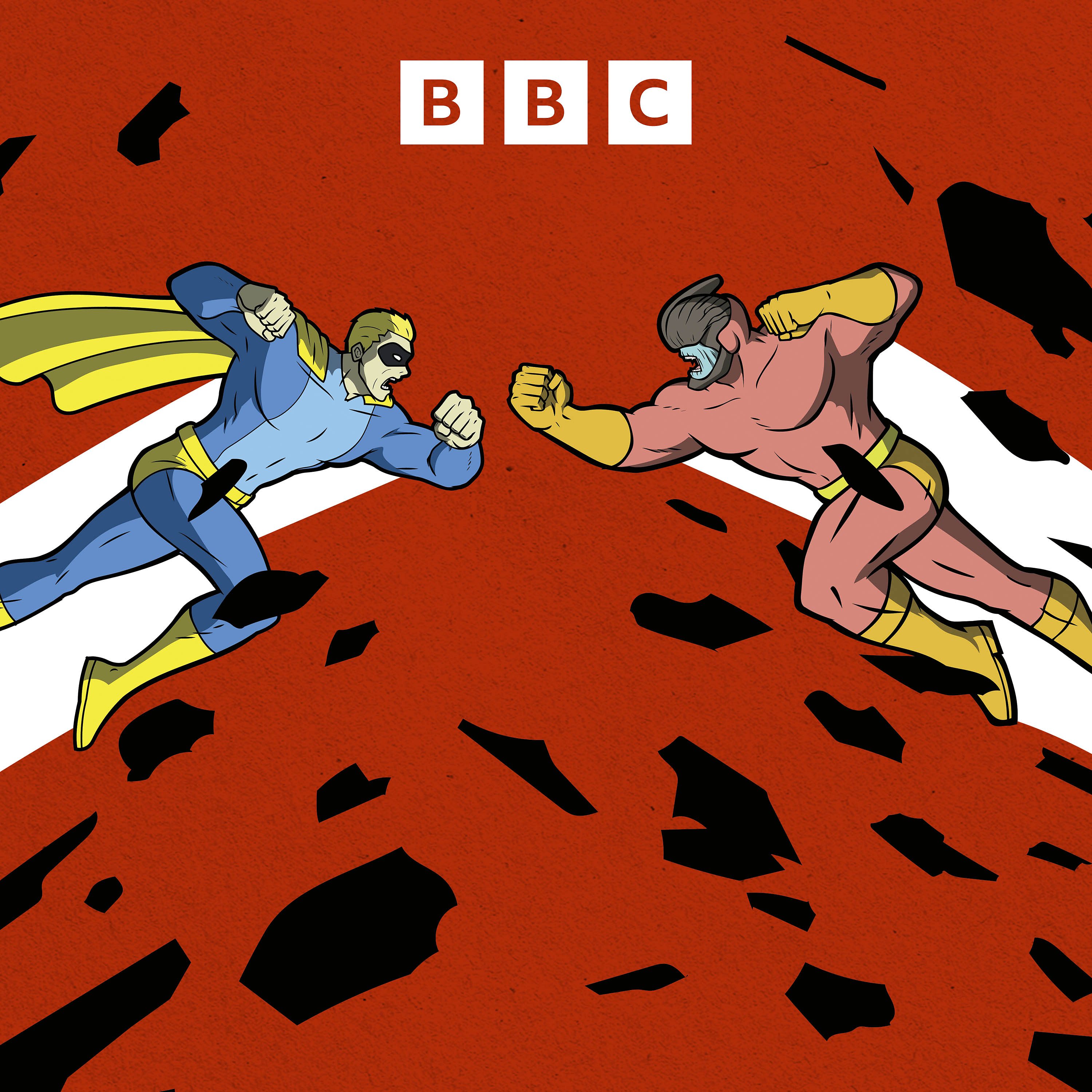
***This programme contains conversations about disordered eating which some listeners may find upsetting*** Social media is awash with nutritional misinformation with foods often cast as superheroes or villains. So how can we separate fact from fiction? And how can we know what posts we can trust? Social media loves to portray some foods, like carbs, sugar and seed oils as villains, to be avoided at all costs.Other food groups like protein are often claimed to be food heroes and some social media influencers tell their followers to prioritise those foods and cut out others. Ruth Alexander looks at the truth of some of those claims and the impact it can have on those who believe them and end up restricting their diets as a result. Cecile Simmons tells Ruth how she "fell down the rabbit hole" and ended up cutting out dozens of foods in an attempt to cure a skin condition. Personal trainer and nutrition expert Michael Ulloa explains how he's made it his mission to fight food misinformation online. Plus Ruth hears from Dr Emily Denniss, registered public health nutritionist and lecturer at Deakin University in Australia, who has studied the spread of food misinformation on social media. And with the help of US based registered dietician Grace Derocha, Ruth separates food fact from food fiction. Producer: LexyO'Connor Sound engineer: Gareth Jones (Image: A comic book cartoon of a blond, muscle-superhero in a blue suit and yellow cape is flying through the air towards a baddie in a red suit with their fists outstretched as if ready to fight. Credit: Yogysic/Getty Images)
26min•Dec 11, 2025
How to eat well in the cold

How to eat well in the cold

How do you eat well in freezing the cold? When you live in some of the coldest places on earth, what you eat, and how much, really matters. Ruth Alexander hears advice from a scientist, who goes on expeditions to study the body’s reaction to sub-zero temperatures, and talks to people living in the Arctic circle. What do they cook, and what is their favourite food and drink to keep them warm in the winter? She hears how they find fresh ingredients when all around the ground is frozen – and how freezing temperatures can spark culinary creativity. Producer: Julia Paul and Lexy O'Connor Sound engineer: Hal Haines If you would like to get in touch with the show, please email: thefoodchain@bbc.co.uk
26min•Dec 4, 2025
To tip or not to tip?

To tip or not to tip?

Ruth Alexander explores the art and etiquette of tipping and how it varies around the world. She hears from staff and customers in countries where tipping is essential and in places where it can be taken as an insult. Ruth also talks to servers and bartenders about what your gratuity means to them and how tipping can sometimes bring out the best and worst in their customers. Producer: Lexy O’Connor and Rumella Dasgupta Sound mixing: Hal Haines Image: A jar full of coins and notes has the word “tips” written on it. It floats on a red background. Credit: Nikola Stojadinovic / Getty
26min•Nov 27, 2025
The servers: The highs and lows of waiting on tables

The servers: The highs and lows of waiting on tables

What are the highs and lows of waiting on tables? Ruth Alexander speaks to restaurateurs from London, New York and Mumbai to find out about the inner workings of one of the hardest jobs in the business. Ruth hears from French celebrity Maitre D, Fred Siriex, Mumbai based restaurateur Gauri Devidayal and Michael Cecchi-Azzolina, the New York based author of Your Table Is Ready. If you would like to get in touch with the show, please email: thefoodchain@bbc.co.uk Image: The torso of a waitress, carrying two plates of food, against a purple background. Credit: Maria Korneeva/Getty Images)
26min•Nov 20, 2025
Food by drones?

Food by drones?

From pizza delivery to emergency aid, are autonomous aircraft the future? Ruth Alexander looks into whether drones are a feasible alternative to delivery drivers and traditional air drops. We hear how fast food and groceries are being delivered into suburban back gardens in Helsinki and Dublin and to a waterside collection point in Hong Kong. Is this technology something we might see everywhere soon? Ruth looks at its advantages and limitations and finds out how drones are carrying essential food to remote communities in Madagascar. Taking part were Danny Vincent, BBC Hong Kong reporter, Ville Lepalä, the CEO and co-founder of Huuva foodhall, Bobby Healy, the CEO of Manna Aero, Santanu Chakraborty, chief executive officer of Bal Raksha Bharat – Save the Children India and Hedley Tah from the United Nations Humanitarian Air Service, which is run by the World Food programme. Produced by Rumella Dasgupta. Image: A drone is flying against a stylised blue sky background. It is holding a white box which says Food Delivery on it in black letters. (Credit Getty Images/ sarawuth702)
31min•Nov 13, 2025
Turmeric: The golden spice

Turmeric: The golden spice

Turmeric has been revered for thousands of years, not just for its mellow taste but for its golden colour and its supposed health giving properties. Rumella Dasgupta looks at its history, its uses in food and medicine and talks to scientists who have studied the spice. She finds out what they've learned about its fabled medicinal qualities and whether it's really worth paying for expensive turmeric lattes and turmeric supplements. Featuring Dr Kathryn Nelson, Prof Amit Garg, Ragini Kayshap and Seema and Sarla Nagpaul. If you would like to get in touch with the show, please email thefoodchain@bbc.co.uk Producer: Lexy O'Connor Sound mix by Annie Gardiner (Image: a teaspoon of golden turmeric powder sits on a spoon, against a bright green background. Credit: G/ Getty Simonkr)
26min•Nov 6, 2025