Menu

  • Home
  • About
  • Search
  • Featured Shows
Spokely

© 2026 Spokely

Teaching Hard History

Teaching Hard History

Learning for Justice

EducationHistory

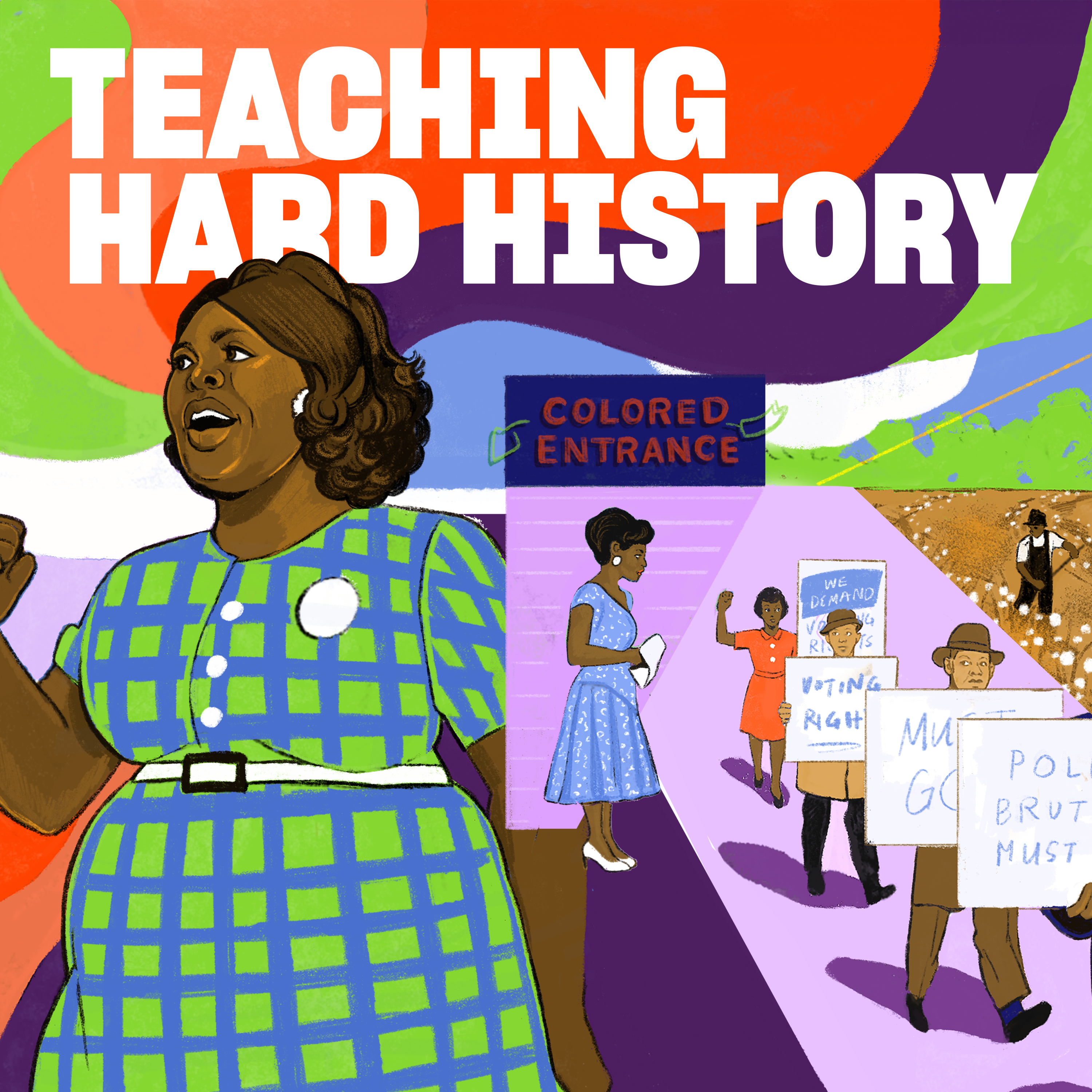
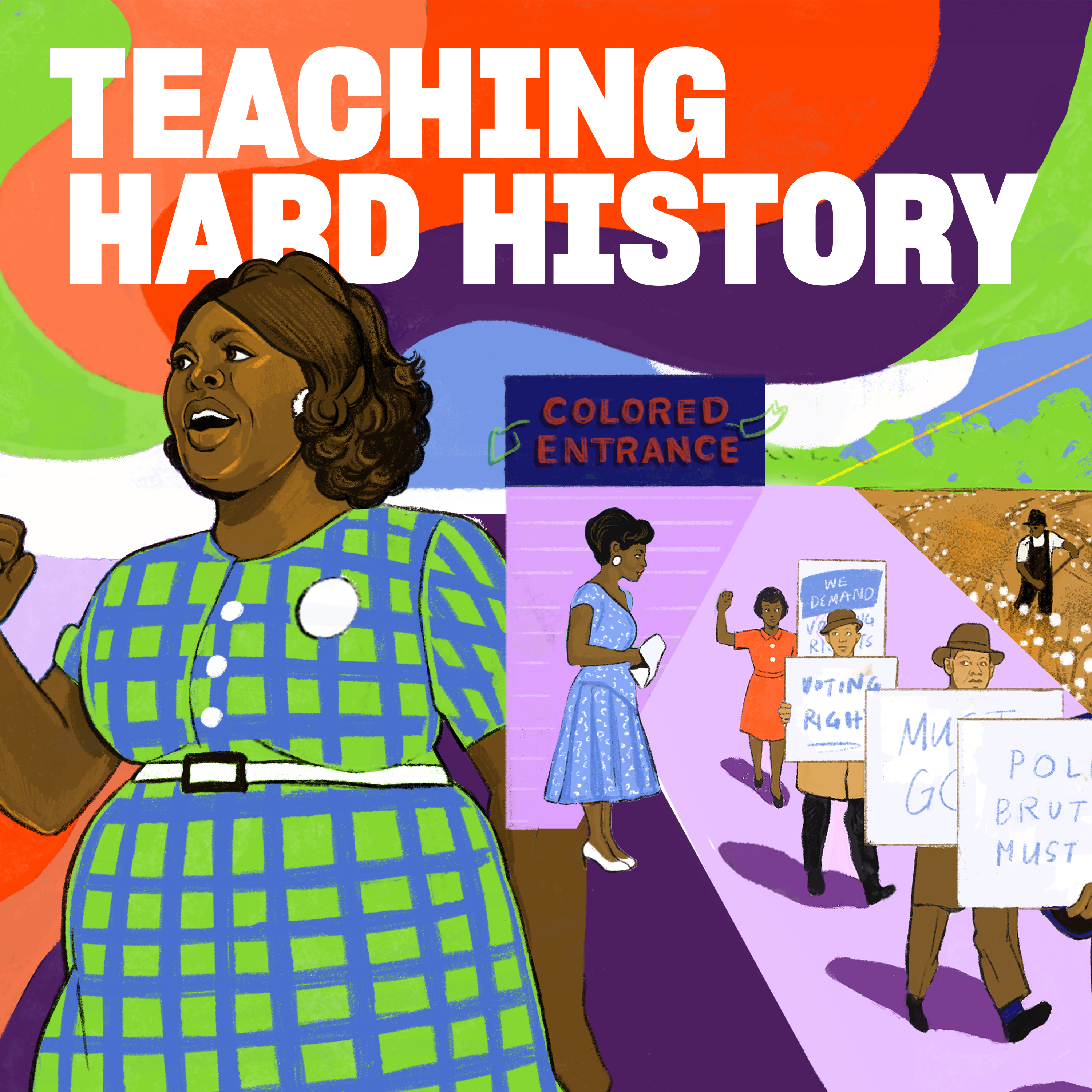
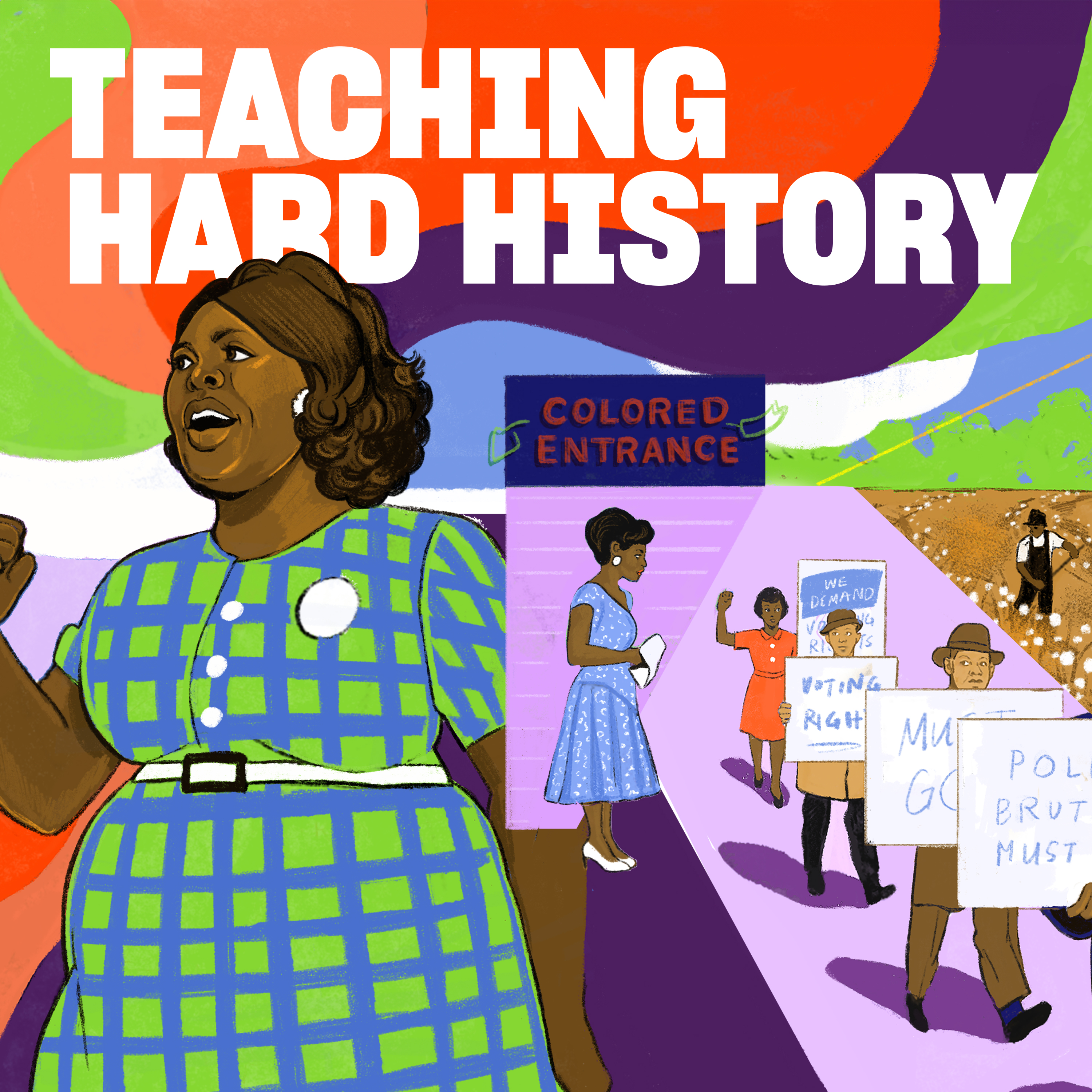
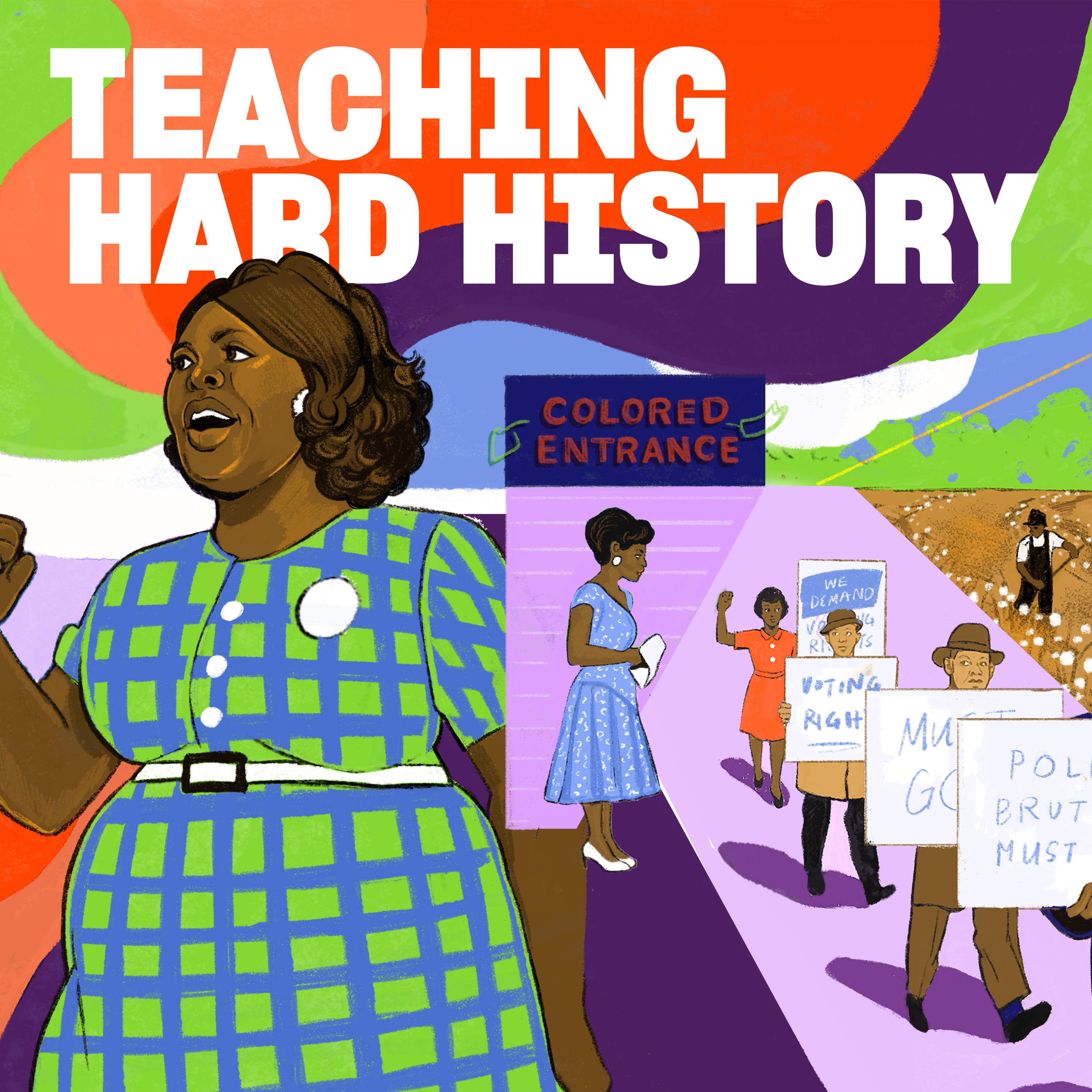
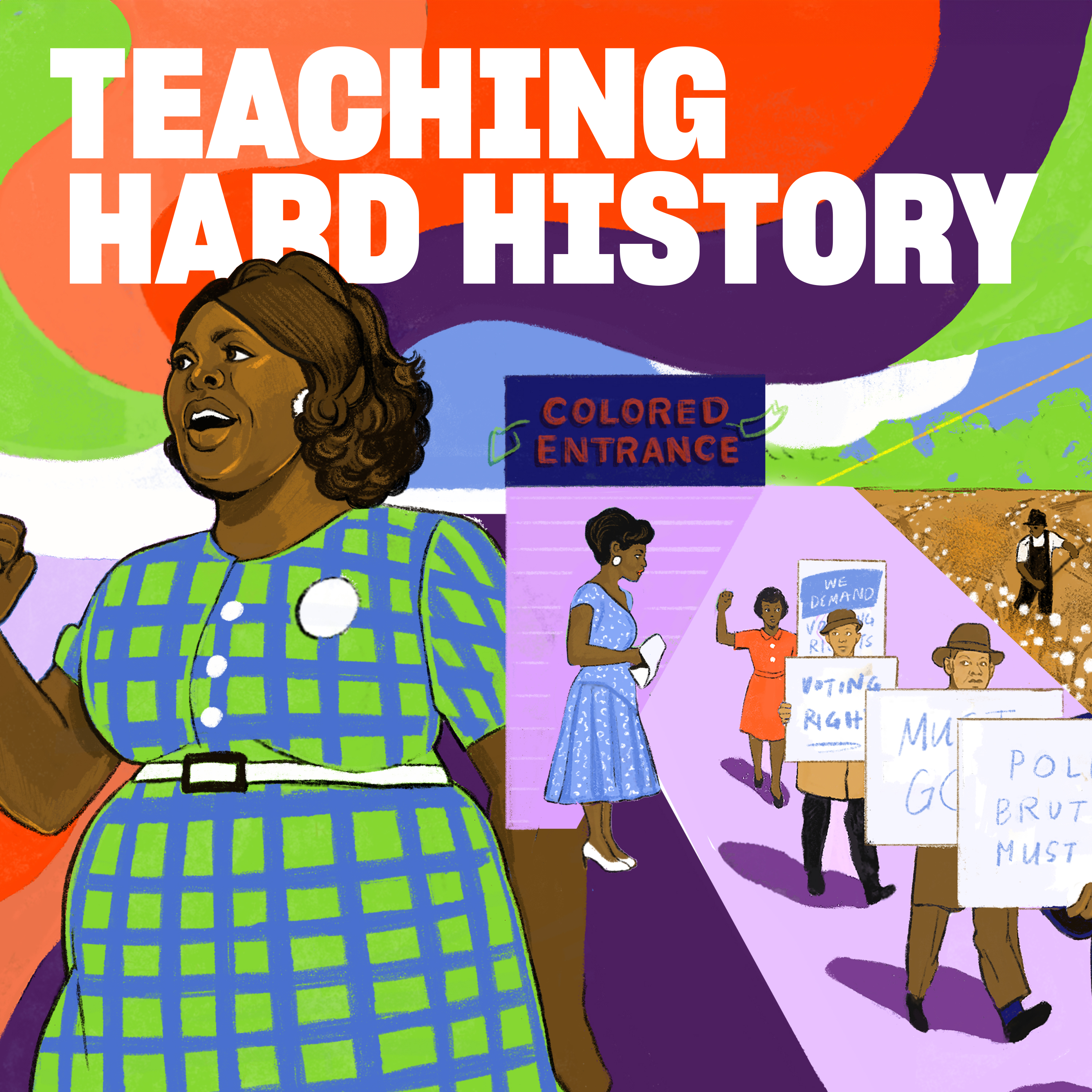
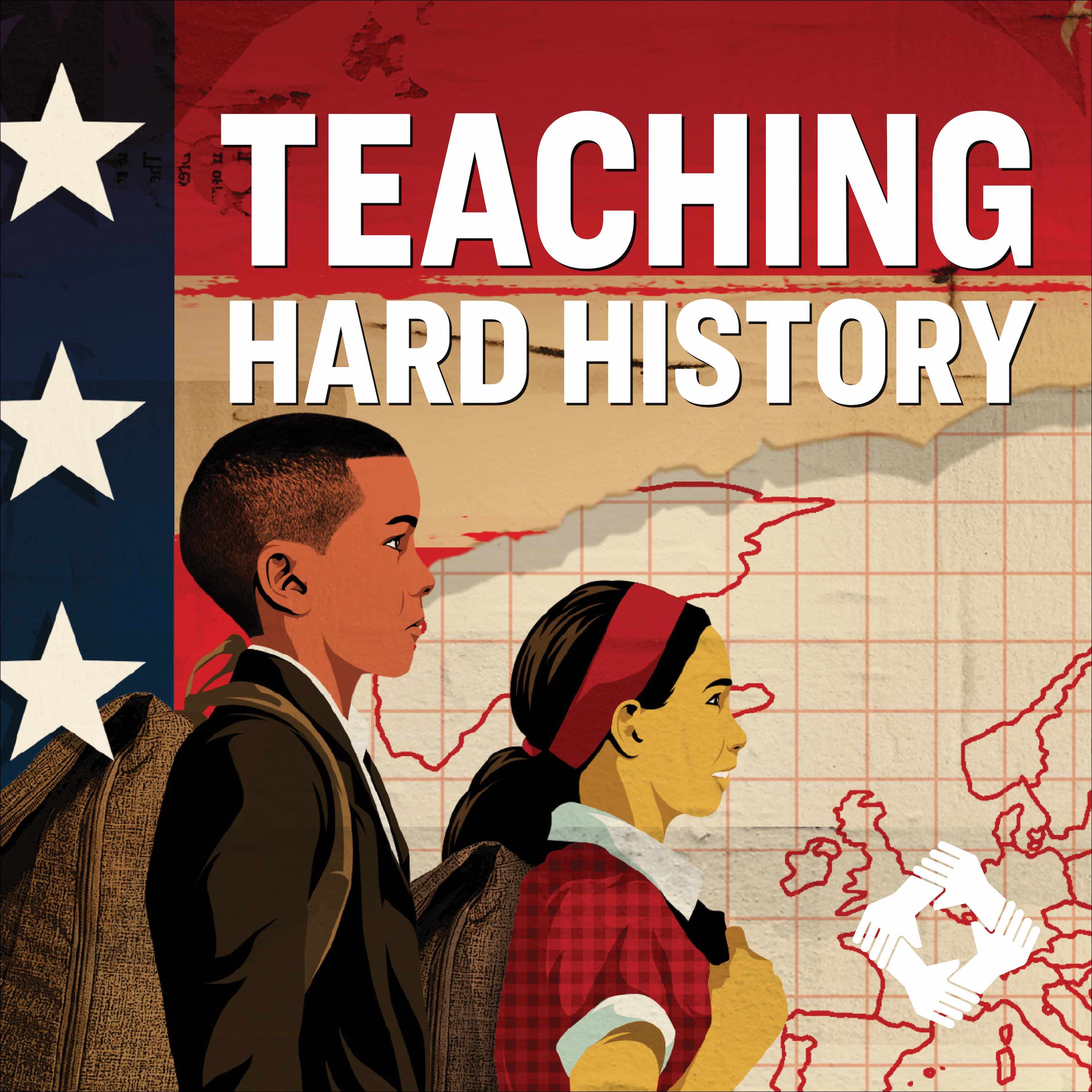
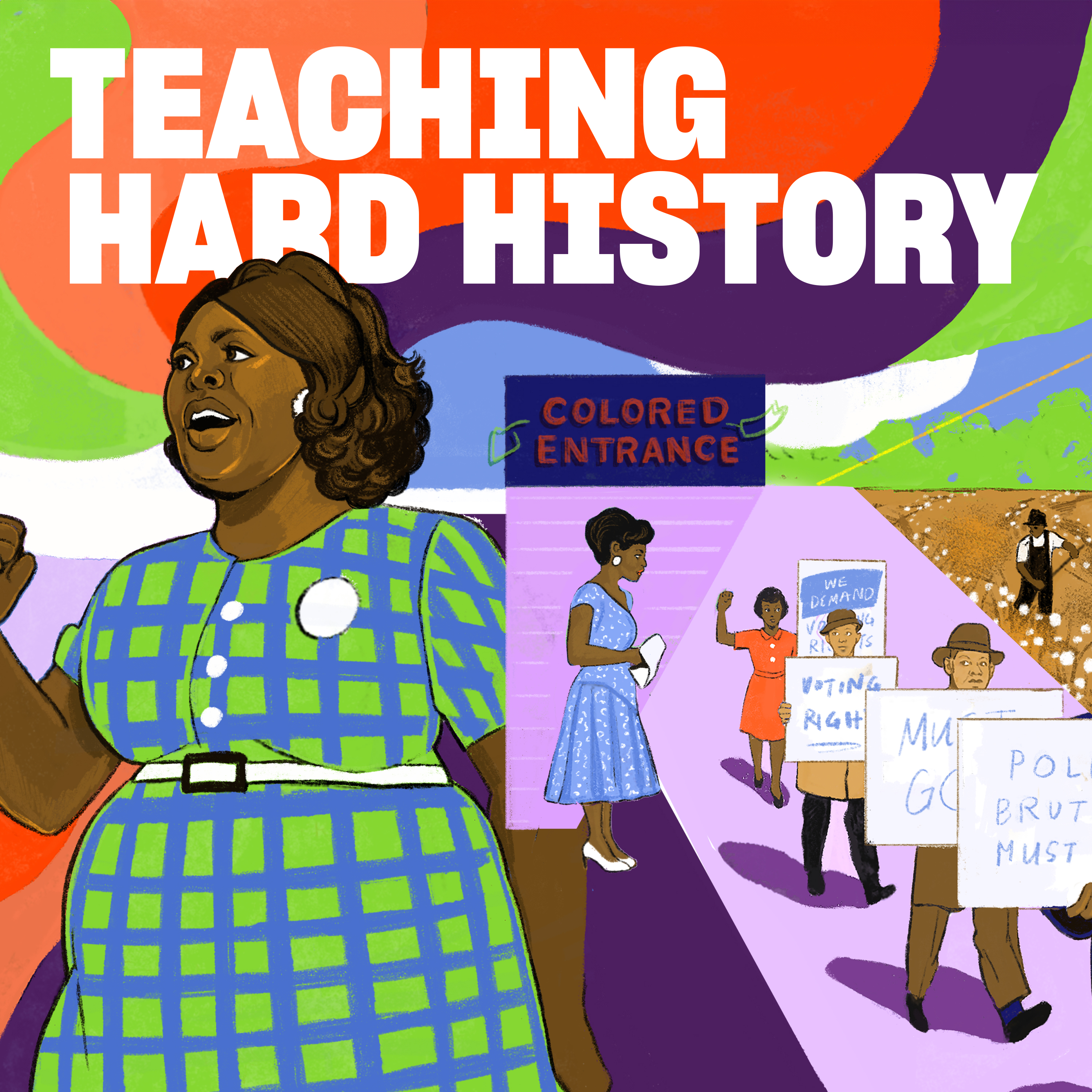
From Learning for Justice and host Hasan Kwame Jeffries, Ph.D., Teaching Hard History brings us the crucial history we should have learned through the voices of leading scholars and educators. The series, which includes four seasons that originally aired from 2018 to 2022, begins with the long and brutal legacy of slavery and reaches through the victories of and violent responses to the Civil Rights Movement and Black Americans' experiences during the Jim Crow era to the issues we face today. Join us as we relaunch this podcast series, highlighting an episode each week and including a new resource page with key points from the conversation, resources and connections for building learning experiences.

Episodes

Slavery in the Supreme Court

Slavery in the Supreme Court

Building on the discussion of " Slavery in the Constitution," historian Paul Finkelman examines the connections among the Constitution, the Supreme Court, politics and slavery. This episode offers insights into the ideologies and tensions that shaped the United States, led to the Civil War and continue to affect our nation today. Join host Hasan Kwame Jeffries, Ph.D., and Learning for Justice, a project of the Southern Poverty Law Center (SPLC). (This episode originally aired in Apr. 2018.) Visit the new resource page for this episode (2025), which includes essential ideas and teaching recommendations from the conversation, updated resources, and a complete transcript.
55min•Feb 23, 2026
Slavery in the Constitution

Slavery in the Constitution

Constitutional and legal historian Paul Finkelman explains the critical role slavery played in the founding of the United States and how the politics of slavery shaped the U.S. Constitution in ways that are still evident today. Join host Hasan Kwame Jeffries, Ph.D., and Learning for Justice, a project of the Southern Poverty Law Center (SPLC). (This episode originally aired in Apr. 2018.) Visit the new resource page for this episode (2025), which includes essential ideas and teaching recommendations from the conversation, updated resources, and a complete transcript.
40min•Nov 4, 2025
Ten More … Film and the History of Slavery

Ten More … Film and the History of Slavery

Film historian Ron Briley returns with more suggestions for teaching through film — from thought-provoking documentaries and feature films to miniseries. Spanning productions from the works of Ken Burns to the blockbuster Black Panther, this episode offers essential background information and practical strategies. Join host Hasan Kwame Jeffries, Ph.D., and Learning for Justice, a project of the Southern Poverty Law Center (SPLC). (This episode originally aired in April 2018.) Visit the new resource page for this episode (2025), which includes essential ideas and teaching recommendations from the conversation, updated resources, and a complete transcript.
21min•Oct 8, 2025
Film and the History of Slavery

Film and the History of Slavery

Film has long shaped our nation's historical memory — for good and bad. Film historian Ron Briley offers ways to responsibly use films in the classroom to more accurately frame the narrative of American slavery and Reconstruction. Join host Hasan Kwame Jeffries, Ph.D., and Learning for Justice, a project of the Southern Poverty Law Center (SPLC). (This episode originally aired in 2018.) Visit the new resource page for this episode (2025), which includes essential ideas and teaching recommendations from the conversation, updated resources, and a complete transcript.
46min•Sep 17, 2025
Diverse Experience of the Enslaved

Diverse Experience of the Enslaved

The experiences of enslaved people varied greatly based on a variety of factors, including time, location, crop, labor performed, size of slaveholding and gender. Yet, most students leave school thinking enslaved people lived like the biased representation in Gone With the Wind. Deirdre Cooper Owens, Ph.D., discusses how the lived experience of slavery varied and evolved. Join host Hasan Kwame Jeffries, Ph.D., and Learning for Justice, a project of the Southern Poverty Law Center (SPLC). (This episode originally aired in Mar. 2018.) Visit the new resource page for this episode (2025), which includes essential ideas and teaching recommendations from the conversation, updated resources, and a complete transcript.
35min•Sep 2, 2025
Resistance Means More Than Rebellion

Resistance Means More Than Rebellion

For a more complete picture of enslaved people's experiences, we need to expand our understanding of resistance. Kenneth S. Greenberg, Ph.D., examines the numerous ways enslaved African Americans incorporated resistance into every aspect of their lives, offering a lens to help students see how enslaved people fought back against the brutality of slavery. Join host Hasan Kwame Jeffries, Ph.D., and Learning for Justice, a project of the Southern Poverty Law Center (SPLC). (This episode originally aired in Mar. 2018.) Visit the new resource page for this episode (2025), which includes essential ideas and teaching recommendations from the conversation, updated resources, and a complete transcript.
1h 7min•Aug 14, 2025
In the Footsteps of Others: Process Drama

In the Footsteps of Others: Process Drama

In learning about slavery, students often ask, "Why didn't enslaved people run away or revolt?" Lindsay Anne Randall explains "process drama" — a method to help build empathy and understand the risks and complexities that enslaved individuals faced. Join host Hasan Kwame Jeffries, Ph.D., and Learning for Justice, a project of the Southern Poverty Law Center (SPLC). (This episode originally aired in Feb. 2018.) Visit the new resource page for this episode (2025), which includes essential ideas and teaching recommendations from the conversation, updated resources, and a complete transcript.
43min•Jul 31, 2025
Doing the Work of Teaching Hard History

Doing the Work of Teaching Hard History

In many ways, the U.S. has fallen short of its ideals. How can we explain this to students — particularly in the context of discussing slavery? Salem State University professor Steven Thurston Oliver shares practical strategies for teaching hard history and creating supportive classroom environments in which relationships are strong enough to be able to hold challenging conversations. Join host Hasan Kwame Jeffries, Ph.D., and Learning for Justice, a project of the Southern Poverty Law Center (SPLC). (This episode originally aired in Jan. 2018.) Visit the new resource page for this episode (2025), which includes essential ideas from the conversation, teaching recommendations and updated resources. A complete transcript is also included.
43min•Jul 22, 2025
Slavery and the Northern Economy

Slavery and the Northern Economy

When we think of slavery as a strictly Southern institution, we perpetuate a "dangerous fiction," according to historian Christy Clark-Pujara. Avoid the trap with this episode about the role the North played in perpetuating slavery and the truth behind the phrase "slavery built the United States." Join host Hasan Kwame Jeffries, Ph.D., and Learning for Justice, a project of the Southern Poverty Law Center (SPLC). (This episode originally aired in Jan. 2018.) Visit the new resource page for this episode (2025), which includes essential ideas from the conversation, teaching recommendations and updated resources. A complete transcript is also included.
33min•Jul 10, 2025
Slavery and the Civil War, Part 2

Slavery and the Civil War, Part 2

Salem State University professor Bethany Jay returns to examine how the actions of free and enslaved African Americans shaped the progress of the Civil War and contributed to emancipation. Join host Hasan Kwame Jeffries, Ph.D., and Learning for Justice, a project of the Southern Poverty Law Center (SPLC). (This episode originally aired in Jan. 2018.) Visit the new resource page for this episode (2025), which includes essential ideas from the conversation, teaching recommendations and updated resources. A complete transcript is also included.
29min•Jun 26, 2025
Slavery and the Civil War, Part 1

Slavery and the Civil War, Part 1

What really caused the Civil War? In this episode, Salem State University Professor Bethany Jay examines the complex role that slavery played in causing the Civil War and outlines ways to teach this history and clarify our understanding of the Confederacy. Join host Hasan Kwame Jeffries, Ph.D., and Learning for Justice, a project of the Southern Poverty Law Center (SPLC). (This episode originally aired in Jan. 2018.) Visit the new resource page for this episode (2025), which includes essential ideas and teaching recommendations from the conversation, updated resources, and a complete transcript.
32min•Jun 19, 2025
Why Hard History Matters: Addressing the Legacy of Jim Crow – w/ Rep. Hakeem Jeffries

Why Hard History Matters: Addressing the Legacy of Jim Crow – w/ Rep. Hakeem Jeffries

Congressman Hakeem Jeffries represents New York's 8th congressional district. Our final episode this season takes us to the U.S. House of Representatives for a conversation between Rep. Jeffries and his brother, our host, Dr. Hasan Jeffries, to discuss the lingering effects of the Jim Crow era—including voter access, prison and policing reform and other enduring injustices—and to discuss the continued relevance of teaching "hard history" as it relates to public policy today. You can also receive professional development certificates when you listen to LFJ's other education podcasts— Queer America and The Mind Online! And be sure to visit the enhanced episode transcript for additional classroom resources for teaching about the intersection of sports and race during the Jim Crow era.
1h 19min•May 25, 2022
Criminalizing Blackness: Prisons, Police and Jim Crow – w/ Robert T. Chase and Brandon T. Jett

Criminalizing Blackness: Prisons, Police and Jim Crow – w/ Robert T. Chase and Brandon T. Jett

After emancipation, aspects of the legal system were reshaped to maintain control of Black lives and labor. Historian Robert T. Chase outlines the evolution of convict leasing in the prison system. And Historian Brandon T. Jett explores the commercial factors behind the transition from extra-legal lynchings to police enforcement of the color line. We examine the connections between these early practices and the more familiar apparatuses of today's justice system—from policing to penitentiaries. Learning for Justice has great tools for teaching about criminal justice during Jim Crow and after, like this article "Teaching About Mass Incarceration: From Conversation to Civic Action". Chase describes using in the classroom (from Bruce Jackson's Wake Up Dead Man). To learn how coerced labor evolves after Jim Crow, you can read his book, We Are Not Slaves: State Violence, Coerced Labor, and Prisoners' Rights in Postwar America. Check out Lynching in LaBelle, an amazing digital history project that Dr. Jett created with his students. And to learn more about the evolution of policing, you can read his book, Race, Crime, and Policing in the Jim Crow South. For even more classroom resources about the history of convict leasing, policing and mass incarceration during the Jim Crow era, be sure to visit the enhanced episode transcript.
1h 49min•May 16, 2022
Music Reconstructed: Lara Downes' Classical Perspective on Jim Crow – w/ Charles L. Hughes

Music Reconstructed: Lara Downes' Classical Perspective on Jim Crow – w/ Charles L. Hughes

From concertos to operas, Black composers captured the changes and challenges facing African Americans during Jim Crow. Renowned classical pianist Laura Downes is bringing new appreciation to the works of artists like Florence Price and Scott Joplin. In our final installment of Music Reconstructed, Downes discusses how we can hear the complicated history of this era with historian Charles L. Hughes. And for helpful classroom resources, check out the enhanced full transcript of this episode.
24min•Apr 26, 2022
Music Reconstructed: Adia Victoria and the Landscape of the Blues – w/ Charles L. Hughes

Music Reconstructed: Adia Victoria and the Landscape of the Blues – w/ Charles L. Hughes

When we consider the trauma of white supremacy during the Jim Crow era—what writer Ralph Ellison describes as "the brutal experience"—it's important to understand the resilience and joy that sustained Black communities. We can experience that all through the "near-comic, near-tragic lyricism" of the blues. In part 3 of this series, acclaimed musician, songwriter and poet Adia Victoria shows how the bittersweet nature of blues does "the very emotionally mature work of acknowledging" this complex history. And for helpful classroom resources, check out the enhanced full transcript of this episode.
16min•Apr 12, 2022
Black Political Thought – w/ Minkah Makalani

Black Political Thought – w/ Minkah Makalani

Black political ideologies in the early 20th century evolved against a backdrop of derogatory stereotypes and racial terrorism. Starting with Marcus Garvey and the Universal Negro Improvement Agency, historian Minkah Makalani contextualizes an era of Black intellectualism. From common goals of racial unity to fierce debates over methods, he shows how movements of the 1920s and 1930s fed into what became the Civil Rights and Black Power Movement. Educators!
1h 5min•Apr 8, 2022
Music Reconstructed: Dom Flemons, Black Cowboys and the American West  – w/ Charles L. Hughes

Music Reconstructed: Dom Flemons, Black Cowboys and the American West – w/ Charles L. Hughes

From ranches to railroads, learn about the often unrecognized role that African Americans played in the range cattle industry, as Pullman porters and in law enforcement. In part two of this special series, Grammy Award-winner Dom Flemons takes us on a musical exploration of the American West after emancipation. "The American Songster" joins historian Charles L. Hughes to discuss the complexity of his sounds, songs and stories about the Jim Crow era. Dom Flemons shares even more songs in this 2020 online concert "Black Cowboy Songs and More from the American Songster" from the Library of Congress American Folklife Center. (He has been researching in their archives for over a decade. Your students can use their collections too! ) Read Rolling Stone's interview with Dom— 'Old Town Road' and the History of Black Cowboys in America —about the growing interest in mainstream entertainment. Remember CDs and Vinyl? The physical copies of Black Cowboys from Smithsonian Folkways come with 40 pages of liner notes! They're full of photos and historical information (Want to see?
18min•Mar 18, 2022
Medical Racism: A Legacy of Malpractice – w/ Deirdre Cooper Owens

Medical Racism: A Legacy of Malpractice – w/ Deirdre Cooper Owens

This nation has a long history of exploiting Black Americans in the name of medicine. A practice which began with the Founding Fathers using individual enslaved persons for gruesome experimentation evolved into state-sanctioned injustices such as the Tuskegee Syphilis Study, among others. Award-winning author, historian Deirdre Cooper Owens details a chronology of medical malpractice and racist misconceptions about health while highlighting lesser-known stories of medical innovations by African Americans. Be sure to visit the enhanced episode transcript for additional classroom resources for teaching about medical racism during the Jim Crow era. Like this online exhibition – Déjà Vu, We've Been Here Before: Race, Health, and Epidemics. This helpful resource was created by some of Dr. Cooper Owens' students for the Library Company of Philadelphia, where she also serves as Director of the Program in African American History.
40min•Mar 17, 2022
Music Reconstructed: Jason Moran, Jazz and the Harlem Hellfighters – w/ Charles L. Hughes

Music Reconstructed: Jason Moran, Jazz and the Harlem Hellfighters – w/ Charles L. Hughes

This is a special four-part series where historian Charles L. Hughes introduces us to musicians who are exploring the sounds, songs and stories of the Jim Crow era. In this installment, Jazz pianist Jason Moran discusses his acclaimed musical celebration of a man he calls "Big Bang of Jazz," bandleader, arranger and composer James Reese Europe. During World War I, Europe fought as a Lieutenant with the fabled "Harlem Hellfighters" 369th U.S. Infantry and directed the regiment's renowned band. Watch his Kennedy Center performance and discover more about his Jason Moran's meditation on James Reese Europe. Learn more about Black military service during Jim Crow in episode 409 – Black Soldiers: Global Conflict During Jim Crow with Adriane Lentz-Smith. And for even more resources, check out the enhanced full transcript of this episode on our website.
22min•Feb 23, 2022
The Harlem Renaissance: Restructuring, Rebirth and Reckoning – w/ Julie Buckner Armstrong

The Harlem Renaissance: Restructuring, Rebirth and Reckoning – w/ Julie Buckner Armstrong

During the Harlem Renaissance, more Black artists than ever before were asking key questions about the role of art in society. Oftentimes the Harlem Renaissance is misconstrued as a discrete moment in American history–not as the next iteration of a thriving Black artistic tradition that it was. Literature scholar Julie Buckner Armstrong urges educators to look deeper into the texts left to us by these artists and come to a fuller understanding of this stage in a long chronology of Black artistic expression. Be sure to visit the enhanced episode transcript for additional classroom resources for teaching about literature and the arts during the Jim Crow era.
56min•Feb 17, 2022
1 / 4